by ferociousdigital | Feb 27, 2026 | Uncategorized
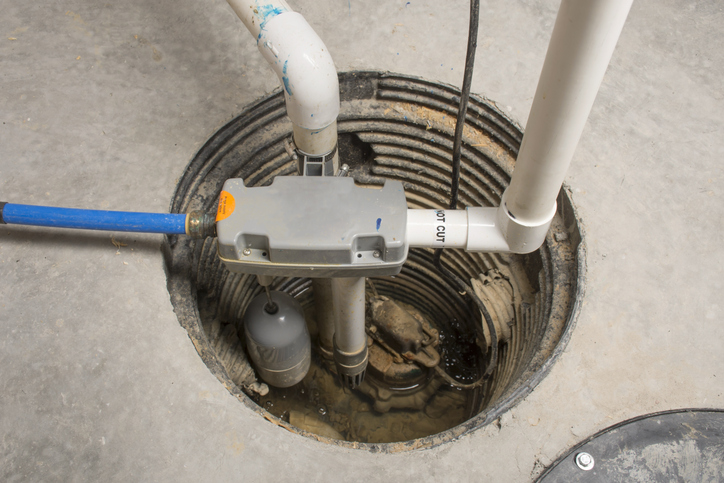
A sewer backup is one of the most stressful and unpleasant issues a homeowner can face. Beyond the mess and odor, it can cause significant water damage and pose health risks. At Team Sewer and Water, we want to empower you with the knowledge to protect your home. Understanding the primary culprits behind sewer backups is the first step in preventing them.
1. Tree Root Intrusion
Trees add beauty and value to your property, but their roots can be a major threat to your sewer lines. Seeking out moisture, roots can find their way into pipes through tiny cracks or loose joints. Once inside, they expand, creating a dense net that catches debris and eventually causes a complete blockage.
Prevention Tip: If you have mature trees on your property, schedule regular video camera inspections to check for root intrusion. Avoid planting new trees near your sewer line. If roots are already a problem, professional rooter services can clear the line.
2. Fats, Oils, and Grease (FOG) Buildup
It can be tempting to pour cooking grease down the drain, but this is a leading cause of clogs. Fats, oils, and grease—collectively known as FOG—solidify as they cool inside your pipes. Over time, this buildup hardens and narrows the pipe, restricting flow and leading to a severe backup.
Prevention Tip: Never pour grease, fats, or oils down the drain. Instead, collect them in a container, let them solidify, and dispose of them in the trash. Scrape food scraps from plates before washing.
3. Structural Pipe Damage
Your home’s sewer lines can deteriorate over time. Older pipes made from cast iron or clay can corrode, crack, or collapse due to shifting soil or age. These structural defects create blockages and can lead to recurring backup problems that will not resolve on their own.
Prevention Tip: If you live in an older home or experience frequent backups, a professional pipe inspection is crucial. This can identify cracks or collapses, allowing for targeted repairs before a complete system failure occurs.
Schedule Your Connecticut Sewer Line Maintenance Service Today!
If you’re due for sewer line maintenance or are experiencing issues with your sewer lines, contact Team Sewer and Water today. Our team can help keep your Waterbury home or office sewer lines running smoothly, saving you time, money, and worry.
Don’t neglect your sewer line maintenance. Contact us today to schedule an inspection and ensure your sewer line remains in top working condition.
by ferociousdigital | Nov 30, 2025 | Water
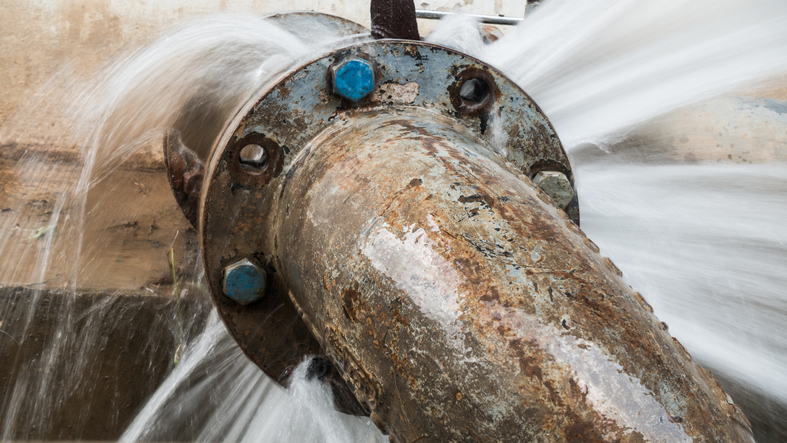
Your home’s water main is the vital artery that delivers fresh water for everything from your morning shower to your evening meal. A problem with this line can cause significant disruption and damage. At Team Sewer & Water, we want to help homeowners identify issues before they become catastrophes. Recognizing the early warning signs of a failing water main is key to protecting your property and ensuring a swift resolution.
Unexplained Puddles or Wet Spots
One of the most obvious indicators of a leaking water main is the sudden appearance of water on your property. If you notice persistent puddles, soggy patches in your yard, or water seeping through your foundation when there has been no rain, it’s a strong signal that the underground pipe is compromised.
A Sudden Drop in Water Pressure
If your faucets and showerheads have lost their usual force, a break in the water main could be the culprit. A significant leak allows water to escape before it reaches your home, resulting in a noticeable decrease in pressure throughout the house. This is one of the most common plumbing issues related to main line breaks.
Discolored or Murky Water
Water from your taps should always be clear. If you suddenly see brown, yellow, or sediment-filled water, it could mean that soil and other contaminants are entering your water supply through a crack in the main line. This is a serious issue that requires immediate attention for health and safety reasons.
A Spike in Your Water Bill
A water bill that is unexpectedly high without a corresponding increase in usage is a major red flag. This indicates that water is being lost somewhere in the system, and a hidden leak in the water main is a frequent cause. Monitoring your bills can help you catch a problem early.
Prime Water Solutions For Your Connecticut Business And Home!
Are you looking for ways to improve your water quality? Let Team Sewer and Water of CT assist you! Our team offers comprehensive water main solutions for businesses and homes in and around Waterbury.
Contact us today for your water, sewer, and septic tank needs!
by ferociousdigital | Aug 31, 2025 | Uncategorized
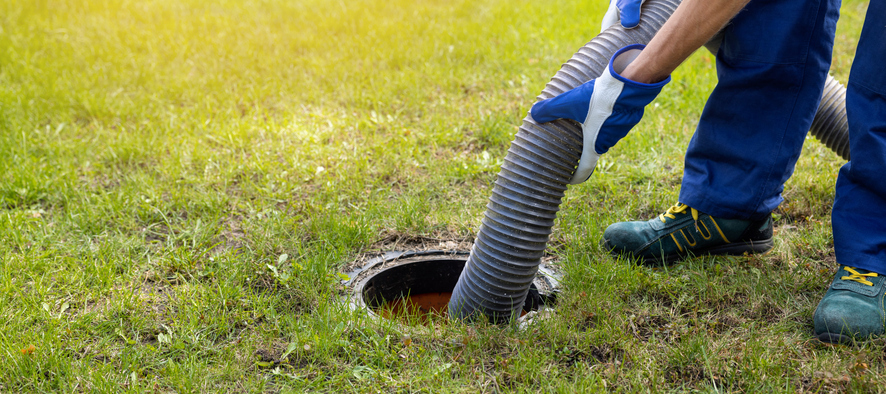
When septic systems fail, the consequences can be messy, expensive, and hazardous to your health. At Team Sewer and Water, we’ve seen countless homeowners face the nightmare of septic tank flooding. Understanding what causes these emergencies can help you prevent costly disasters and protect your property.
Excessive Water Usage
The most common culprit behind septic flooding is simply using too much water too quickly. Your septic system needs time to process wastewater properly. When you overwhelm it with multiple loads of laundry, long showers, and dishwasher cycles all at once, the tank can’t keep up. The result? Wastewater backs up into your home or pools in your yard.
Space out water-intensive activities throughout the week. Your septic system will thank you for the breathing room.
Lack of Regular Maintenance
Septic tanks require pumping every 3-5 years to remove accumulated solids. When homeowners skip this crucial maintenance, sludge builds up, reducing the tank’s capacity. Eventually, no room for new wastewater leads to backups and flooding.
Regular inspections also catch minor problems before they become major headaches. If left unaddressed, a cracked baffle or damaged inlet pipe can cause system failure.
System Damage and Blockages
Tree roots, heavy machinery, or settling soil can damage septic components. Crushed pipes prevent proper flow, while damaged distribution boxes can’t effectively direct effluent to the drain field.
Flushing inappropriate items like wipes, feminine products, or chemicals can also create blockages that lead to flooding. These materials don’t break down naturally and can clog pipes or upset the bacterial balance your system needs.
Weather-Related Issues
Heavy rainfall can saturate drain fields, preventing proper absorption. When the ground can’t accept more water, your septic system cannot discharge treated wastewater.
Don’t Wait – Contact Team Sewer and Water Today!
At Team Sewer and Water, we prioritize your comfort and satisfaction by offering dependable residential and commercial water, sewer, and septic services in and around Waterbury, CT. Our seasoned team is equipped to tackle a wide range of tasks, from new system installations to repairs on existing systems, ensuring you receive top-notch care.
If you’re experiencing any signs of a failing septic system or simply want to schedule routine maintenance, don’t hesitate to contact us!
by ferociousdigital | May 30, 2025 | Septic
Owning a home with a septic system comes with its own set of responsibilities. A well-maintained septic system ensures your household runs smoothly and avoids costly repairs or messy breakdowns. To keep everything in top shape, there are essential dos and don’ts that every homeowner should follow. Team Sewer and Water is here to provide expert advice and reliable service to help you confidently maintain your system.
Septic System Dos
Taking proactive steps to maintain your septic system is the best way to prolong its life and avoid headaches. Here’s what you should do:
1. Schedule Regular Inspections and Pumping
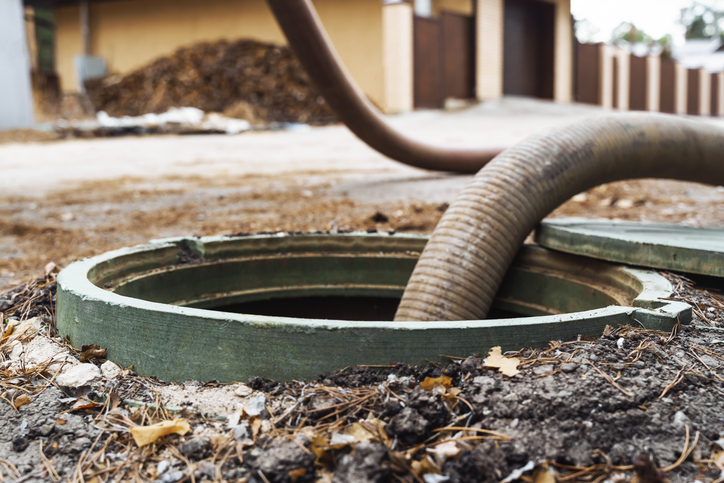
Your septic tank should be inspected every 3-5 years and pumped as needed based on the size of your household and tank. Regular maintenance removes sludge and prevents it from clogging the system. Team Sewer and Water can handle inspections and pumping to keep your system running smoothly.
2. Conserve Water
Excess water can overload your septic system, reducing its efficiency. Simple habits like fixing leaky faucets, using water-efficient appliances, and spreading out laundry loads can prevent undue strain on the system.
3. Use Septic-Safe Products
Harsh chemicals and non-biodegradable products can harm the bacteria in your tank that break down waste. Use household cleaning products labeled “septic-safe” to maintain a healthy balance in your tank.
4. Protect Your Drain Field
Your drain field is a vital part of your septic system that filters and disperses treated wastewater. To keep it functioning properly:
- Avoid parking vehicles or placing heavy objects on the drain field.
- Plant only grass or shallow-rooted plants nearby to prevent root intrusion.
- Direct rainwater drainage away from the area to avoid oversaturation.
5. Be Mindful of What Goes Down the Drain
Your plumbing isn’t a trash can. Only flush human waste and toilet paper. Grease, coffee grounds, wet wipes, and hygiene products can clog pipes and harm your septic system.
Septic System Don’ts
To prevent damage and expensive repairs, steer clear of these common mistakes:
1. Don’t Skip Maintenance
Neglecting to pump or inspect your septic tank can lead to backups, system failure, and costly repairs. A little preventative care goes a long way.
2. Don’t Pour Chemicals Down the Drain
Paints, solvents, oil, and other chemicals disrupt the bacteria needed for your septic system to function. Properly dispose of hazardous materials through your local waste management facility.
3. Don’t Ignore Warning Signs
Foul odors, slow drains, gurgling sounds, or standing water near your drain field are all signs of septic trouble. Ignoring these red flags can turn minor issues into major problems. Team Sewer and Water is just a call away if you notice anything unusual.
4. Don’t Use Excessive Garbage Disposal
Garbage disposals send solids into the septic tank, increasing sludge buildup and forcing the system to work harder. If you use a garbage disposal, pump your tank more frequently to avoid problems.
5. Don’t Flush “Flushable” Wipes
Despite their name, “flushable” wipes don’t break down like toilet paper. They can clog your pipes and fill your septic tank faster, leading to blockages over time.
Get Your Septic System Inspected Today!
At Team Water and Sewer of Waterbury, CT, we provide top-quality residential and commercial septic and water services! Whether you need a septic system installed, repaired, or maintenance on an existing one, we’re here to help.
Get in touch with us to learn more about what our experts can do for you!
by ferociousdigital | Feb 28, 2025 | Water
Understanding Your Home’s Water Main
When you turn on your faucet or run your shower, do you ever wonder how that clean water gets to your home? The answer lies in an essential part of the water supply system: the water main. At Team Sewer and Water, we believe understanding this vital component is key for every homeowner. Here’s a simple breakdown of what a water main is and why it’s so important.
What is a Water Main Pipe and How Does It Support Water Flow?
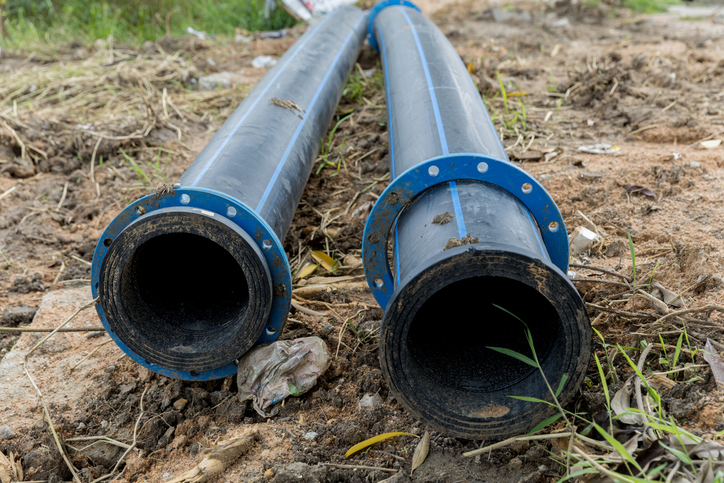
Think of a water main as the major highway of your water supply system. It’s a large underground pipe that carries clean, treated water from local water treatment plants to neighborhoods, homes, and businesses. Just as smaller roads branch off a highway, smaller pipes connect your property to the water main, ensuring you have access to clean, safe water whenever you need it.
Why the Water Main is Crucial to Your Water Service and Community
The water main is the backbone of your water supply. Without it, the delivery of clean water to entire communities simply wouldn’t be possible. It supports not just daily needs like drinking, cooking, and cleaning but also essential services like fire hydrants and public buildings. Without a well-functioning water main, life would come to a standstill pretty quickly!
Spotting Signs of a Water Main Leak or Break
While water mains are built to last, issues can still arise due to age, weather, or unexpected damage. Here are some signs of potential water main problems to watch for in your area or home:
- Low Water Pressure: A sudden drop in water pressure could indicate a leak or blockage in the system.
- Unusual Puddles or Sinkholes: Wet spots or pooling water on streets or lawns may signal an underground water main leak.
- No Water Supply: If your water stops flowing completely, it might be due to a break in the main.
If you notice any of the above, it’s essential to act quickly and alert local authorities or professionals like Team Sewer and Water. Water main issues can lead to severe damage and affect the quality of water in your home.
Call Team Sewer and Water for Water Main Repair and Pipe Solutions in Connecticut
Are you looking for ways to improve your water quality? Let Team Sewer and Water of CT assist you! Our team offers comprehensive water main solutions for businesses and homes in and around Waterbury.
Contact us today for your water, sewer, and septic tank needs!
FAQ About Water Mains
What exactly is a water main?
A water main is a large underground pipe that carries water from the municipal water distribution system to individual properties. It is a key component of the water infrastructure and connects smaller service lines to deliver clean water to homes and businesses.
Who is responsible for a water main break?
Responsibility depends on where the water main break occurs. If the break is in the public portion of the system, the city or town (or its public works or utility department) is responsible for repairing the water main. If the break is on the water service line between the main and a private property, the property owner may be responsible.
How do I find the main water line to my house?
You can usually find your main water line by locating the water meter, typically near the curb or sidewalk, and tracing the pipe from there into your home. Look for the main shut-off valve near where the line enters the house. If you’re unsure, a licensed plumber or utility provider can help identify it.
Does every house have its own water main?
No, every house does not have its own water main. Instead, each property connects to a shared municipal water main through an individual water service pipe. This service line runs from the main to your water meter and into your home’s plumbing system.
How deep down is a water main?
The depth of a water main varies depending on climate and location but typically ranges from 3 to 8 feet below ground. The depth helps protect the pipe from freezing temperatures and reduces the risk of damage due to excavation or corrosion. Local building codes and soil conditions also influence how deep mains are installed.